






The current cold season: The most important facts collected
The Situation: Why there is coughing and sneezing everywhere
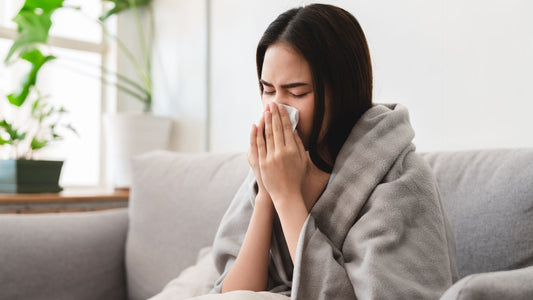
When it gets cooler outside, and drier and more crowded inside, respiratory viruses have an easy time. This is exactly what the reporting systems in Germany are showing this season: The activity of acute respiratory diseases is low to moderate, but millions of people are affected – most with mild, typical cold symptoms. In current laboratory analyses of the RKI, rhinoviruses and SARS‑CoV‑2 dominated. Parainfluenza viruses appeared in smaller numbers, influenza, seasonal human coronaviruses, adeno- and metapneumoviruses only sporadically. However, what leads to a sigh of relief are the numbers of severe cases (hospitalized) and COVID‑19‑diagnoses in the hospital sector. These are significantly lower than at this time last year; the SARS‑CoV‑2 load in wastewater has also recently decreased. This indicates a comparatively relaxed overall situation at present, despite many infections in everyday life.
Why “colds” are more common in winter – and what that means for behavior
-
Cold itself does not make you sick; it promotes closer indoor contact, dry mucous membranes, and longer virus survival times on surfaces/droplets.
-
Indoor spaces are decisive: Where there are many people, the probability of transmission increases – in public transport, classrooms, offices. Ventilation and distance in case of symptoms are therefore so effective.
-
Immunity landscape: After years of changing contact patterns (pandemic, measures, catch-up effects), the situation is stabilizing – with mild seasonal fluctuations and occasional spikes in individual pathogens. Currently, there is more normality with rhinovirus dominance and moderate COVID activity.
The pathogens of the season: An overview
Rhinoviruses – the “classics” of the common cold
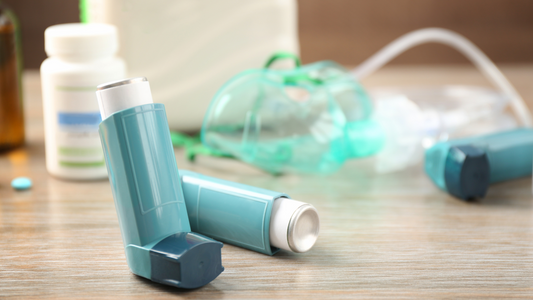
Rhinoviruses are the most common triggers of the common cold: runny nose, scratchy throat, dry cough, sometimes subfebrile temperatures. They circulate in all age groups. For families, this means: daycares and schools act as “hubs”, adults bring the infections into the workplace. Rhinoviruses are persistent but usually harmless. In asthma, they can trigger flare-ups.

SARS‑CoV‑2 – still part of the mix
Corona is not gone, but part of the usual winter virus cocktail. The RKI estimates a COVID‑19 incidence of about 200 per 100,000 – clearly lower than at the same time last year. Clinically, this currently means: many mild to moderate courses, severe cases are rare.

Parainfluenza, Adeno‑, hCoV & Co.
Minor players are present but small in percentage. Parainfluenza was mainly found in children; Adenoviruses and seasonal human coronaviruses appeared sporadically. RSV was not detectable in the sentinel and low in the reporting system – but may pick up as winter progresses, especially in younger age groups.

And the flu?
Influenza is hardly in play at the beginning of November. Historically, the flu wave in Germany often arrives only after the turn of the year. That's exactly why vaccination in the fall is worthwhile: The protection is built up in time when it gets serious.
Cold vs. Flu vs. COVID‑19 – the rough classification
-
Cold (common cold): gradual onset, runny nose/sneezing in the foreground, moderate sore throat/cough, high fever is rather rare.
-
Influenza (real flu): usually sudden onset, high fever, pronounced headache/body aches, dry cough; often affects the whole body. Flu waves usually arrive in this country after the turn of the year.
-
COVID‑19: very variable – from cold-like to feverish with smell/taste disturbances; thanks to immunity in the population, currently often mild, but risk groups should remain vigilant.
Vaccinations in Fall/Winter: Who benefits from what now?
| Vaccination | Recommended vaccination time | Recommended target groups | Further Information |
|---|---|---|---|
| Influenza (Flu) | October to mid-December | Older people, pregnant women, chronically ill, people with a lot of public contact at work (e.g., care, medicine) | For those 60 and older, high-dose or adjuvanted vaccines are recommended. |
| COVID-19 | Autumn (annually) | People at increased risk (e.g., old age, pre-existing conditions) and people with a high occupational exposure risk | Those who are young and healthy do not need a booster outside of special risk situations. |
| RSV | From 75 years (once) | Adults aged 75 and older, 60-74 years with relevant underlying conditions, residents of care facilities | For infants, passive immunization (Nirsevimab) is available. |
What you can do now – 9 effective everyday measures
-
Stay home if you are sick. This helps interrupt infection chains – especially when in contact with infants, pregnant women, the elderly, or people with weakened immune systems. The BMG recommends wearing a mask during unavoidable encounters.
-
Cough and sneeze etiquette (elbow, disposable tissues), hand hygiene (short but thorough) and regular ventilation reduce the risk of infection indoors.
-
Sleep, warmth, fluid. The body needs rest; lukewarm drinks, clear broths, and humidified air alleviate symptoms.
-
Salt nasal care (isotonic rinse/spray) can loosen mucus and improve nasal breathing.
-
Sore throat: Gargling solutions (e.g., with salt water) or lozenges moisturize and soothe – they don't work wonders, but often feel more bearable.
-
Cough: According to current knowledge, honey (from 1 year, never for infants!) can temporarily relieve nighttime cough – especially in children.
-
Fever/pain: Paracetamol or Ibuprofen can be useful when used appropriately for indication, dosage, and age.
-
Many things pass on their own. Most common colds improve within a week, but the cough may linger longer.
-
Antibiotics? Only for bacterial complications – they do not help against viruses. Your doctor decides based on findings, not "on suspicion".
Important: This article does not replace medical advice. If you are unsure or have severe symptoms, contact your practice or the medical on-call service.
When to see a doctor, when to go to the emergency room?
-
Immediately consult a doctor for shortness of breath, persistent high fever (> 39 °C over several days), severe pain in chest/ears/sinuses, consciousness or circulatory problems, significant deterioration after initial improvement.
-
In children: Atypical drowsiness, refusal to drink, retractions of the intercostal spaces when breathing, wheezing, infants < 3 months with fever – please immediately seek medical clarification.
-
Chronic diseases (e.g., COPD, heart failure, diabetes): consult early, as infections can destabilize compensated conditions.
Looking ahead: What the next weeks might bring
In the coming weeks, the influenza could increasingly gain strength, especially in December and January, depending on the intensity of the season. Those who have not yet been vaccinated should ideally catch up in November or December to be protected in time. The Robert Koch Institute recommends not delaying the flu vaccination, as it is crucial for people in risk groups. Also, the RSV (Respiratory syncytial virus) could reappear regionally, especially in children. Pediatric practices offer valuable information on prevention and clinical procedures when there is an increase in RSV cases. This information helps parents and caregivers to prepare optimally and react early if necessary. As for SARS-CoV-2, the current level of infections is significantly lower than last year.
Checklist: How to Get Through the Season
To get through the cold and flu season well, it is important to regularly check your vaccination status. Vaccinations against flu and COVID-19 are particularly recommended in the fall. The RSV vaccination should also be considered if it is relevant to the individual. Ideally, this should be done before the holidays when many people are in close contact. A well-stocked home pharmacy is also essential. This includes a fever thermometer, pain and fever medications, saline sprays for nasal care, tissues, and possibly cough suppressants or expectorants. Additionally, everyday routines play a major role in reducing the risk of infection. Regular ventilation, adhering to cough etiquette, reducing contact when symptoms are present, and wearing a mask in sensitive situations are among the most important measures. For families, it is sensible to have emergency numbers handy and to think in advance about childcare. School and daycare rules should also be known to be able to react quickly in case of an emergency.
Conclusion
The cold season 2025/26 is here – noticeable, but manageable. Rhinoviruses dominate the scene; SARS-CoV-2 is involved, but currently remains under control. Influenza is on the starting blocks; those who get the flu vaccine in the fall are doing the right thing. Complemented by a few simple behavioral rules, some patience – and the willingness to seek medical advice for severe symptoms – most people get through the winter well. The numbers will shift in the coming weeks, but keeping an eye on the RKI weekly reports will keep you on track.
Keywords:
Previous
Strengthen the immune system – Small daily routines with a big impact
Next
The TENS device: Your aid in pain management
More articles that you might be interested in ...

The TENS device: Your aid in pain management
Nov 26 2025